
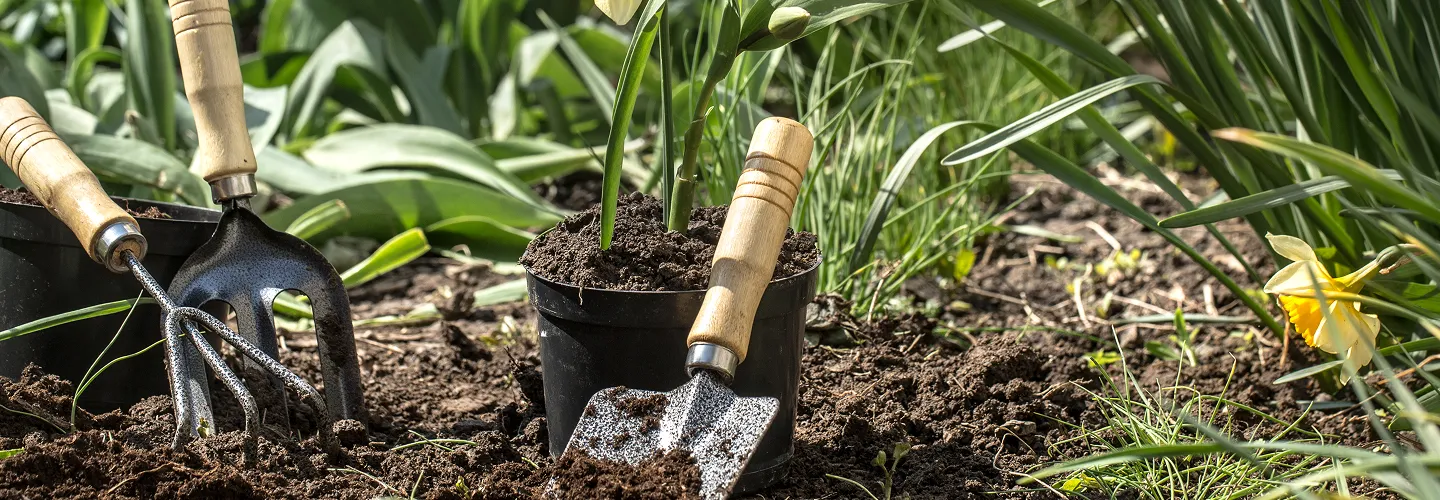
Braselton Green Waste Disposal Services
Choose our Green Waste Disposal for reliable, environmentally responsible service that keeps your property clean while supporting a healthier planet.
Get a Free QuoteOur Braselton Landscaping & Yard Care Services
When to Schedule Green Waste Disposal in Braselton, Georgia – Seasonal Guide
In Braselton, Georgia, the best times for green waste disposal are closely tied to our region’s unique climate and landscape. With warm, humid summers and mild winters, most homeowners in neighborhoods like Chateau Elan and Mulberry Park find that late winter through early spring is ideal for clearing out yard debris before new growth begins. This timing helps prevent the buildup of organic material that can harbor pests or disease, especially after the last frost date, which typically falls in late March for our area.
Local environmental factors such as periodic drought risk, heavy shade coverage from mature oaks and pines, and the clay-heavy soils common in Braselton all play a role in determining when and how often to schedule green waste removal. For example, properties near the Braselton Mulberry Riverwalk may experience more leaf accumulation due to dense tree canopies, while homes closer to the Town Green might need more frequent service after summer storms. For more information on local guidelines and best practices, visit the Sudbury municipal resource.
Local Factors to Consider for Green Waste Disposal in Braselton
- Tree density and types (oak, pine, magnolia)
- Terrain and slope of your property
- Seasonal precipitation and storm frequency
- Municipal restrictions or scheduled pickup dates
- Proximity to shaded areas or water features
- Soil type and drainage characteristics
Benefits of Green Waste Disposal in Braselton

Eco-Friendly Landscaping Solutions
Efficient Green Waste Removal
Promotes Healthy Lawns and Gardens
Reduces Landfill Waste
Supports Local Sustainability
Convenient Scheduling Options
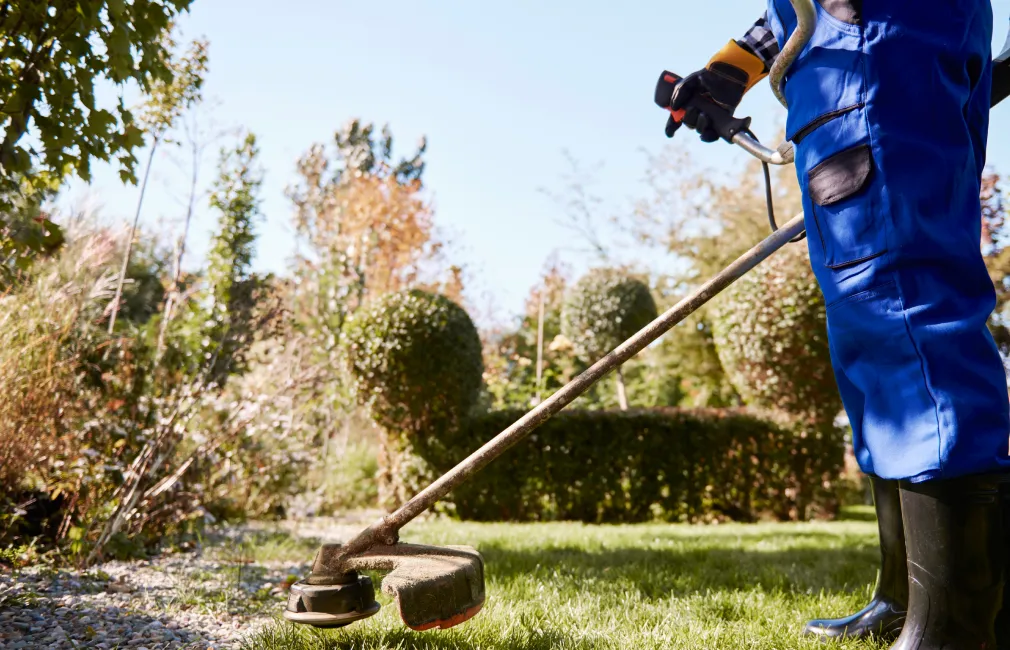
Braselton Green Waste Disposal Types

Grass Clippings
-
Tree Branches
-
Leaves and Foliage
-
Shrub Trimmings
-
Garden Plants
-
Wood Chips
-
Weeds and Roots
Our Green Waste Disposal Process
Collection of Green Waste
Sorting and Separation
Transport to Disposal Facility
Eco-Friendly Processing
Why Choose Braselton Landscape Services

-
Braselton Homeowners Trust Us
-
Expert Lawn Maintenance
-
Reliable Scheduling
-
Competitive Pricing
-
Professional Team
-
Satisfaction Guarantee
-
Personalized Service
Braselton Public Works Procedures for Curbside Green Waste Collection
Residents and property managers in Braselton should coordinate green waste disposal directly through the Braselton Public Works Department, which oversees sanitation services and infrastructure maintenance for the town. Green waste — including grass clippings, leaves, brush, and small limbs — must be prepared according to town guidelines before placement at the curb. Standard preparation requirements typically include:
- Bagging loose organic material such as leaves and clippings in biodegradable or approved bags
- Bundling brush and limbs with twine, with individual bundles not exceeding manageable lengths (verify current size limits with Public Works)
- Placing materials at the right-of-way edge without blocking storm drains, sidewalks, or roadway travel lanes
- Separating green waste from household trash and construction debris
Confirm current collection days and any seasonal schedule adjustments directly with the department, as schedules may vary by zone or time of year.
Braselton Public Works Department
4982 Highway 53, Braselton, GA 30517
Phone: (706) 654-3915
Official Website: Braselton Public Works Department
Protecting Braselton's Stormwater Drainage System During Green Waste Removal
Braselton's stormwater infrastructure — including roadside drainage ditches, culverts, and detention features — is vulnerable to blockage when green waste is improperly staged or disposed of. The Braselton Stormwater Management program oversees drainage system protection and flood prevention across the town. Organic debris deposited near or within drainage channels can obstruct flow, accelerate erosion, and introduce excess nutrients into local waterways. Braselton sits within the Upper Oconee River watershed, and runoff from residential properties can affect downstream water quality. Residents and contractors should observe the following practices:
- Never deposit grass clippings, leaves, or brush directly into roadside ditches or culvert inlets
- Keep green waste piles at least 3–5 feet from any drainage inlet or ditch edge
- Avoid blowing clippings onto paved surfaces where they can wash into storm drains
- Review Georgia EPD Watershed Protection Branch guidance on nonpoint source pollution for additional compliance context
Braselton Stormwater Management
4982 Highway 53, Braselton, GA 30517
Phone: (706) 654-3915
Official Website: Braselton Stormwater Management
Braselton's Piedmont Red Clay Soils and Green Waste Decomposition Timing
Braselton is located in the Georgia Piedmont, where soils are predominantly Cecil and Appling series — dense, red clay-based Ultisols with limited natural drainage and a tendency toward surface compaction. According to the USDA Web Soil Survey, these soils have moderate to slow permeability, which affects how quickly organic material breaks down on-site. Braselton falls within USDA Hardiness Zone 7b, with warm, humid summers and mild winters that support active microbial decomposition from approximately April through October. Key considerations for green waste management in this soil context include:
- Grass clippings and leaf litter decompose more slowly on compacted clay surfaces; avoid leaving large piles on turf for extended periods
- Mulched material incorporated into planting beds decomposes more effectively than material left on bare clay
- Autumn leaf accumulation (October–December) represents the highest-volume green waste period; plan disposal logistics accordingly
- UGA Cooperative Extension provides composting and organic matter guidance suited to Georgia Piedmont soil conditions
Nuisance Vegetation and Overgrowth Standards Under Braselton's Code of Ordinances
Property owners in Braselton are subject to municipal standards governing vegetation maintenance and the removal of nuisance plant material. The Braselton Code of Ordinances addresses property upkeep requirements, including standards related to overgrown vegetation, accumulated organic debris, and frontage maintenance. Failure to manage green waste on private property — including piles of brush, dead plant material, or excessive leaf accumulation — may constitute a code violation subject to enforcement action. Relevant compliance points include:
- Grass and weeds on improved lots are generally required to be maintained below a specified height threshold (verify current height limit in the municipal code)
- Accumulated brush or organic debris that creates a nuisance or fire hazard may be subject to abatement
- The Braselton Community Development Department handles code enforcement and can clarify current property maintenance standards
- Invasive species such as kudzu, privet, and Chinese wisteria — common in Jackson County — should be removed and disposed of as green waste rather than composted on-site; consult UGA Extension - Invasive Species for identification and removal guidance
Braselton Community Development Department
4982 Highway 53, Braselton, GA 30517
Phone: (706) 654-3915
Official Website: Braselton Community Development Department
Seasonal Green Waste Volume Peaks and Disposal Planning in Braselton
Braselton's climate produces distinct seasonal surges in green waste volume that require advance planning for both residential and commercial properties. The National Weather Service Peachtree City forecast office serves this region and provides seasonal precipitation and temperature data relevant to vegetation growth cycles. Green waste generation in Braselton follows a predictable annual pattern:
- Spring (March–May): Rapid warm-season turf growth, pruning of winter-damaged shrubs, and bed preparation generate high volumes of clippings and organic debris
- Summer (June–August): Weekly mowing cycles produce consistent clipping volumes; heat and humidity accelerate decomposition but also increase weed pressure requiring removal
- Autumn (September–November): Leaf fall from mature hardwoods — particularly oaks and maples common in Braselton's wooded neighborhoods — creates the highest single-season green waste volume
- Winter (December–February): Reduced growth limits green waste, though storm debris from ice or wind events may require unscheduled disposal coordination
Property managers overseeing larger lots or wooded parcels should schedule additional haul-away capacity during October and November to remain compliant with curbside placement standards.
What Neighborhoods Do We Serve Throughout Braselton, GA?
- Chateau Elan: This master-planned community features large residential lots with mature landscaping, wooded buffers, and maintained common areas; green waste volumes are high during spring pruning and autumn leaf fall, and HOA standards typically require prompt debris removal.
- Mulberry Park: A newer subdivision with younger tree canopy and fill soils common to recent Piedmont development; compacted subsoils can limit on-site decomposition, making curbside green waste removal the preferred disposal method.
- Braselton Town Center Area: Properties near the historic town core may include older lots with established hardwoods and denser organic debris accumulation; right-of-way placement requires careful attention to drainage inlet proximity.
- Reunion: A large residential community with varied lot sizes, detention ponds, and internal drainage features; green waste must be kept clear of community stormwater infrastructure during collection periods.
- Hog Mountain Road Corridor: Transitional residential and commercial properties along this corridor include wooded edges with significant invasive species pressure; green waste from clearing operations should be hauled off-site rather than left to resprout.
- Hamilton Mill Area (Braselton Vicinity): Larger-lot properties near the Braselton boundary with Hall and Gwinnett counties feature red clay slopes and seasonal drainage challenges that affect debris staging and collection logistics.